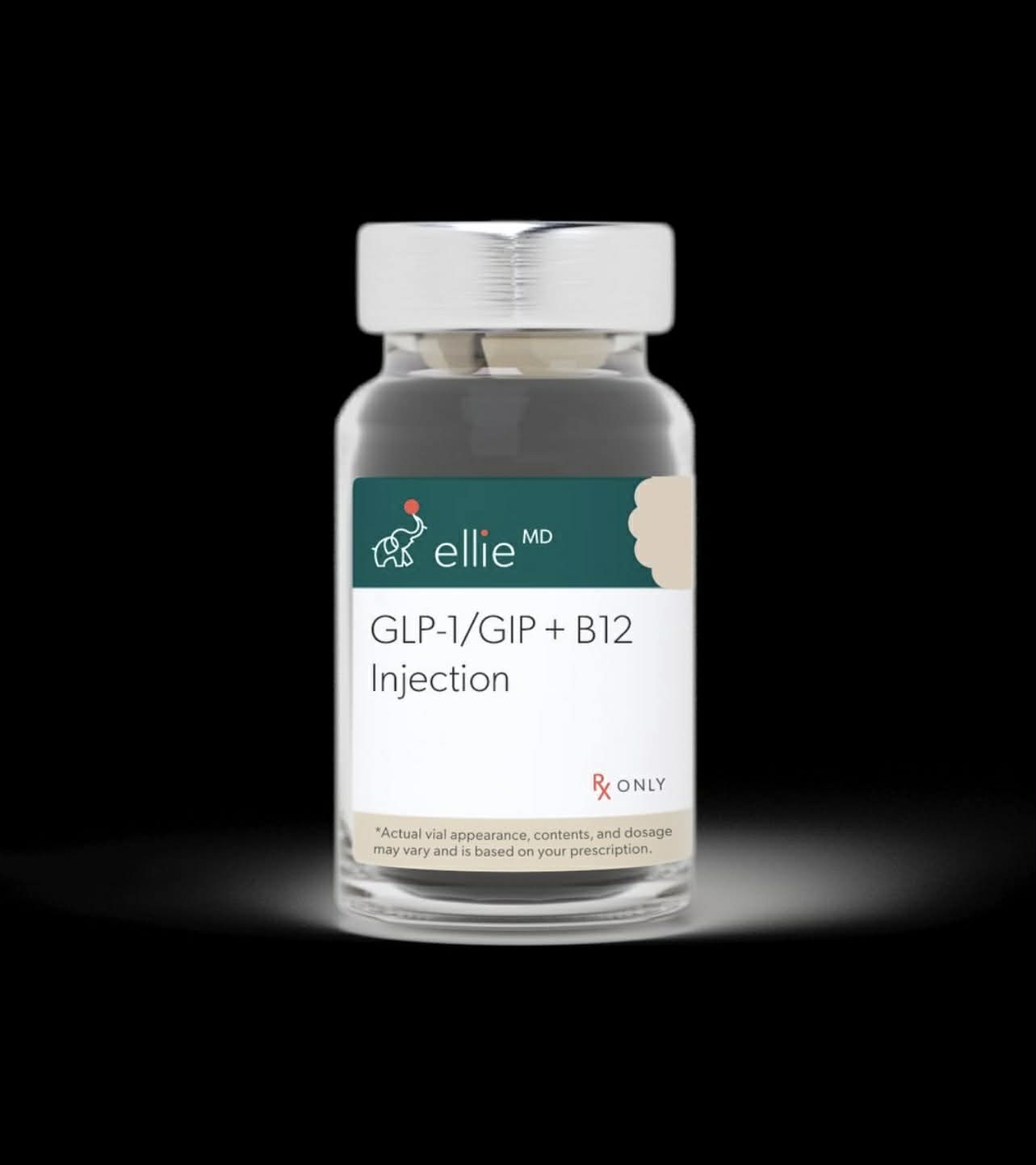
You've almost certainly heard about GLP-1 by now — it's been everywhere in the health and wellness conversation for the past few years, often in the context of dramatic weight loss results from medications like Ozempic and Wegovy. But here's what most of the headlines miss: GLP-1 is not a pharmaceutical invention. It's a hormone your body already makes. And understanding what it actually does — and how to support it — is about far more than losing weight.
Think of GLP-1 as your body's natural satiety and blood sugar coach — working behind the scenes every time you eat to keep your appetite, energy, and metabolic health in balance.
What GLP-1 Actually Is
GLP-1 stands for glucagon-like peptide-1. It's produced in the gut — specifically in the intestinal cells — in response to eating. Once released, it travels through the bloodstream and acts on multiple systems simultaneously:
- It signals the pancreas to release insulin in a glucose-dependent manner — meaning it helps blood sugar get managed efficiently after a meal
- It slows gastric emptying, meaning food moves out of the stomach more slowly, which extends the feeling of fullness and reduces appetite
- It signals the brain's appetite centers to reduce hunger and increase satiety
- It inhibits glucagon secretion, which prevents the liver from releasing excess glucose into the bloodstream
This is why GLP-1 receptor agonist medications — which mimic and amplify GLP-1's effects — work so powerfully for weight loss and blood sugar management. They're essentially making the body's existing appetite and metabolic regulation system much louder and more persistent.
How GLP-1 Supports Weight Loss
The weight loss effect of GLP-1 therapy comes from three interlocking mechanisms:
- Appetite suppression — the brain receives stronger and more sustained satiety signals, so hunger diminishes and it becomes genuinely easier to eat less without willpower battles
- Reduced food cravings — particularly for high-sugar and high-fat foods, because blood sugar is more stable and the reward-driven eating response quiets down
- Blood sugar stabilization — preventing the spikes and crashes that drive urgent hunger, emotional eating, and afternoon energy slumps
For people who have struggled with weight for years despite genuine effort, this can feel like a revelation — not because anything changed in their character, but because the biological signals that were working against them are finally working with them.
The Benefits That Go Beyond the Scale
This is the part that deserves more attention. GLP-1's benefits extend far beyond weight management, and the research in this area is rapidly expanding.
- Heart health — GLP-1 receptor activation has been associated with reduced cardiovascular risk, lower blood pressure, and improved lipid profiles
- Brain protection — emerging research points to neuroprotective effects, including potential benefits for cognitive function and reduced risk of neurodegenerative disease
- Gut function — GLP-1 influences gut motility and has anti-inflammatory effects in the digestive tract
- Insulin sensitivity — improved insulin signaling has downstream effects on energy, body composition, and hormonal balance
- Overall metabolic efficiency — the body functions more effectively as a whole when blood sugar is well-regulated and inflammation is lower
GLP-1 isn't a weight loss drug that happens to have side benefits. It's a comprehensive metabolic health tool that happens to produce weight loss as one of its outcomes.
Who Benefits Most
GLP-1 therapy is most clearly indicated for people with:
- Obesity or significant overweight, particularly with metabolic complications
- Insulin resistance or prediabetes
- Type 2 diabetes
- Cardiovascular risk factors that would benefit from metabolic improvement
Beyond these specific indications, there is a growing population of people who are pursuing GLP-1 support for broader health optimization — people who recognize that metabolic health is foundational to everything else and want to give their body every possible advantage. This is a space that requires thoughtful medical guidance, but it's a legitimate and growing area of personalized wellness.
How to Use GLP-1 Therapy Effectively
GLP-1 medication is most powerful when it's one piece of a comprehensive health strategy, not the whole picture. The approach I support looks like this:
- Medical supervision — proper evaluation, prescribing, monitoring, and dose management by a qualified healthcare provider
- Nutrition modifications — protein-rich meals, adequate fiber, minimized processed foods — both to amplify results and to ensure that reduced appetite doesn't lead to nutritional deficiency
- Consistent exercise — particularly strength training, to preserve and build muscle mass while fat is reduced
- Ongoing consistency — sustainable results come from combining all of these approaches over time, not from medication alone
The women and athletes I work with who see the most meaningful, lasting results are those who use GLP-1 therapy as a catalyst to establish healthier patterns — not as a replacement for those patterns.
If you want to explore whether GLP-1 support might be appropriate for your health goals, I'd love to help you think through that conversation and connect you with the right providers. Reach out here to start.