Free Guide · The SHIFT Project

Nobody Warns You About Perimenopause. This Guide Does.

Learn what's actually happening in your body during this transition — and what you can do about it naturally. Clear, honest, and written for real women navigating real symptoms.

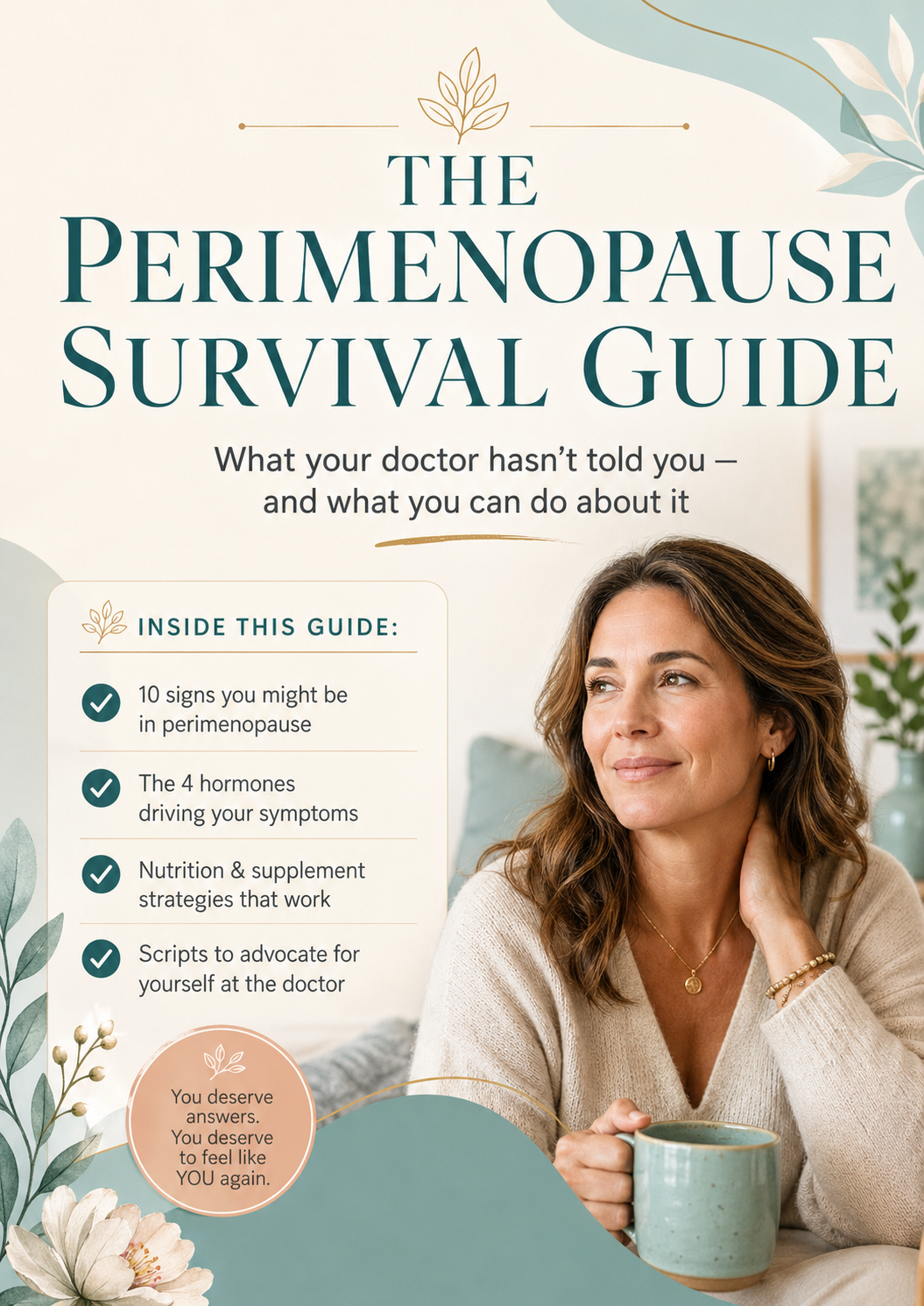
The Perimenopause Survival Guide cover

Send Me the Free Guide

Instant access — enter your email below.

No spam. Your email is 100% secure.

Are You in Perimenopause?

10 Signs You Might Be Missing

Perimenopause can start as early as your mid-30s — and most of its symptoms get blamed on stress, aging, or "just being busy." This guide helps you connect the dots.

😴

Sleep disruption — waking at 2–4am, unable to fall back asleep even when exhausted

🌡️

Hot flashes or night sweats — including subtle temperature dysregulation that doesn't feel "classic"

😤

Mood swings and irritability — feeling rage or sadness that seems disproportionate to the situation

🧠

Brain fog and memory lapses — losing words, forgetting names, feeling mentally slower than usual

⚖️

Unexplained weight gain — especially around the midsection despite no changes in diet or exercise

📉

Low libido — loss of drive or interest that feels out of character

💧

Vaginal dryness or discomfort — often dismissed or not mentioned to a doctor

💓

Heart palpitations — brief racing or fluttering sensations, especially at night

🦴

Joint pain and stiffness — new aches that weren't there before, especially in the morning

📅

Irregular cycles — longer, shorter, heavier, or lighter periods that feel unpredictable
What You'll Learn

Inside the Perimenopause Survival Guide

1

The 10 signs of perimenopause you might be missing — including the ones that get misdiagnosed as anxiety, depression, or burnout.

2

Nutrition strategies that ease the transition — what to eat more of, what to pull back on, and why your body's needs have genuinely shifted.

3

Supplements worth considering — and which ones are a waste of money. Evidence-based guidance without the overwhelm.

4

Lifestyle shifts that make a measurable difference — sleep, movement, stress regulation, and the order that actually matters.

5

When to talk to your doctor — and exactly what to say — so you walk in informed, ask the right questions, and advocate for yourself effectively.

What most women are never told

The medical system isn't built for perimenopause. Most appointments are 15 minutes. This guide fills the gap.

Perimenopause can last 4–10 years before your period actually stops

Estrogen fluctuates wildly in perimenopause — it doesn't just drop steadily

Standard hormone tests often miss perimenopause because they test at the wrong time

Cortisol and insulin dysregulation make perimenopause symptoms significantly worse

Nutrition and lifestyle changes can meaningfully reduce symptoms — not just manage them

You don't have to white-knuckle through this. There are real options — and you deserve to know them

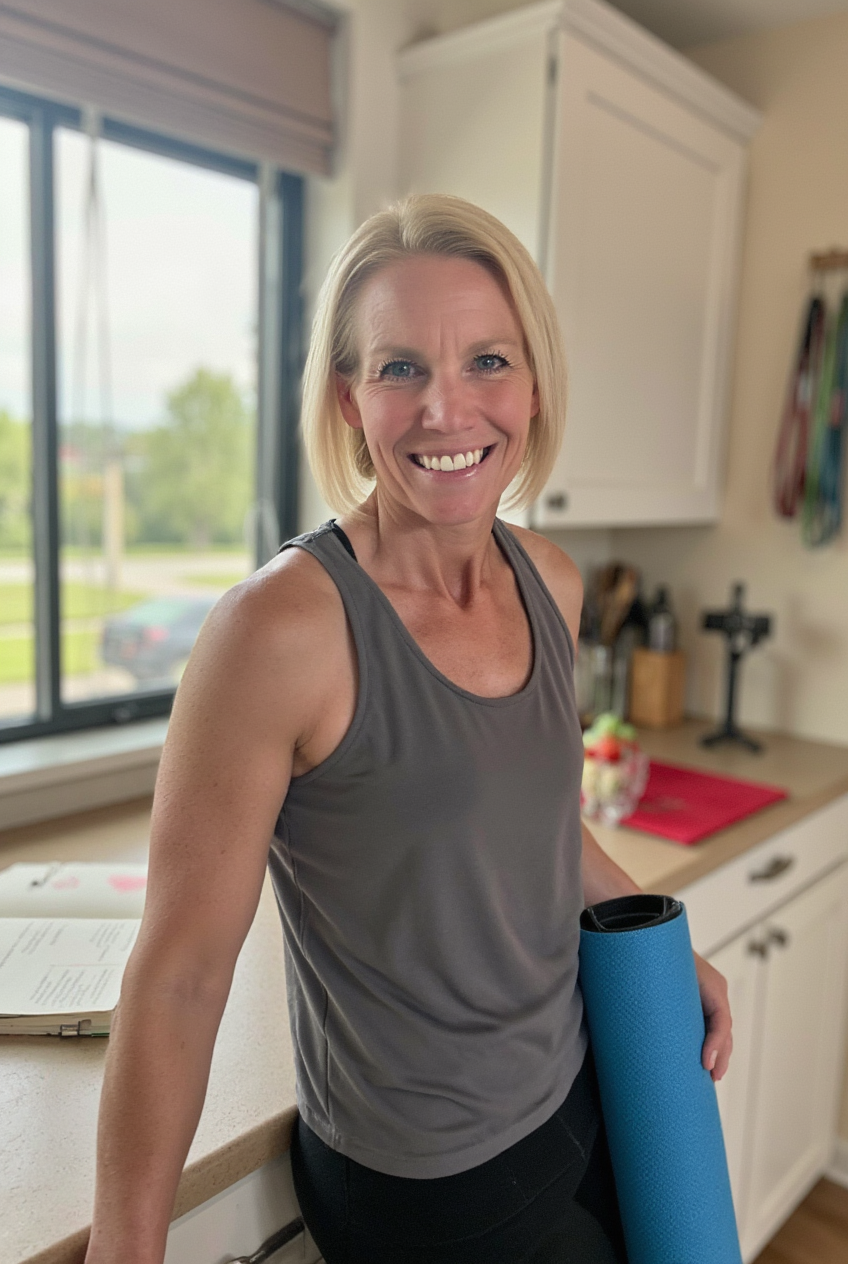
Courtney Mericle

Written by Courtney Mericle

I built The SHIFT Project because women deserve better than a 15-minute appointment and a pamphlet. Perimenopause is one of the most under-discussed transitions in women's health — and one of the most impactful on quality of life.

This guide exists because every woman going through it deserves to understand what's happening in her body, what her options are, and how to advocate for herself. Not in three years. Now.

— Courtney Mericle, SHIFT Project Founder

You Deserve to Understand What's Happening

The Perimenopause Survival Guide is free. Real information, written plainly, for the women who need it most.